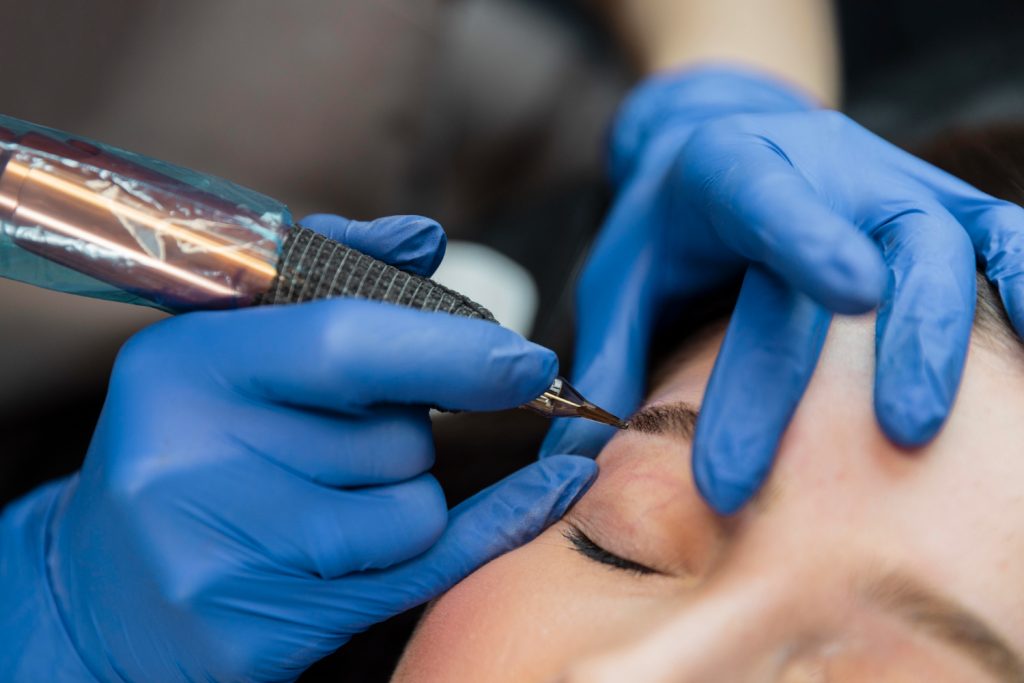
Permanent makeup brows, often referred to as cosmetic tattooing or micro-pigmentation, is a beauty enhancement technique that involves implanting pigment into the skin to mimic the appearance of natural eyebrows. This semi-permanent procedure is popular among individuals who desire fuller, symmetrical brows or who want to reduce the time spent on daily makeup routines.
Key Features of Permanent Makeup Brows
Definition List of Terms:
- Microblading: A technique using a handheld tool to create fine, hair-like strokes for a natural look.
- Powder Brows: A method that creates a soft, shaded appearance resembling filled-in brows with makeup.
- Combination Brows: A blend of microblading and powder techniques for added dimension and texture.
- Pigment: Specialized inks designed to fade gradually over time, offering a natural fade-out rather than harsh lines.
How the Process Works
Permanent makeup brows involve several steps to ensure safety, precision, and client satisfaction:
- Consultation:
- Discuss client expectations, skin type, and the most suitable brow style.
- Assess any contraindications such as skin conditions or allergies.
- Brow Mapping:
- Outline the desired shape using measurements and client input.
- Adjust for facial symmetry and personal preferences.
- Numbing:
- Apply a topical anesthetic to minimize discomfort during the procedure.
- Pigment Application:
- Use the chosen technique (e.g., microblading, powder) to implant pigment into the upper dermis.
- Aftercare:
- Provide instructions to avoid infections and ensure proper healing (e.g., avoiding water exposure, using healing ointments).
Benefits of Permanent Makeup Brows
- Time-saving: Reduces the need for daily eyebrow makeup application.
- Customizable: Tailored to suit individual face shapes and preferences.
- Long-lasting Results: Effects last 1-3 years, depending on skin type and aftercare.
- Confidence Boost: Ideal for individuals with hair loss conditions such as alopecia or those with sparse brows.
Common Concerns and Solutions
Gaps Identified:
Competitor content often fails to address potential risks and their mitigation. Here’s a deeper dive:
- Risk of Infection:
- Ensure the practitioner uses sterile equipment and follows proper hygiene protocols.
- Look for certified professionals with proven experience.
- Uneven Fading:
- Skin type (oily vs. dry) can affect pigment retention.
- Regular touch-ups help maintain a uniform appearance.
- Allergic Reactions:
- Patch tests can identify sensitivities to pigments.
- Opt for hypoallergenic pigments.
Common Myths:
- “Permanent makeup lasts forever.”
- Fact: It’s semi-permanent and fades over time due to skin exfoliation and exposure to sunlight.
- “It’s only for older people.”
- Fact: People of all ages seek permanent brows for convenience and aesthetics.
Factors to Consider Before Getting Permanent Makeup Brows
- Skin Type: Oily skin may cause pigments to fade faster.
- Lifestyle: Frequent sun exposure or exfoliating treatments can impact longevity.
- Professional Credentials:
- Look for certified artists with a portfolio of healed results.
- Check reviews and testimonials.
Data-Rich Table: Comparison of Techniques
| Technique | Appearance | Longevity | Best For | Maintenance |
| Microblading | Natural hair strokes | 1-2 years | Sparse or thin brows | Touch-up every 12-18 months |
| Powder Brows | Soft makeup look | 2-3 years | All skin types, oily skin | Touch-up every 18-24 months |
| Combination Brows | Textured and defined | 1.5-3 years | Those seeking dimension | Touch-up every 12-18 months |
Steps for Aftercare
- First Week:
- Avoid water, excessive sweating, and direct sunlight.
- Use a prescribed ointment to keep the area moisturized.
- Healing Phase:
- Expect minor scabbing; avoid picking to prevent pigment loss.
- Follow up with the artist for a touch-up 4-6 weeks post-procedure.
Final Thoughts
Permanent makeup brows are a transformative beauty solution, offering convenience and confidence to a diverse range of individuals. By choosing a skilled professional and following proper aftercare, clients can achieve natural-looking, long-lasting results that enhance their features. Ensure thorough research and consultation to make an informed decision and enjoy the benefits of perfectly sculpted brows.